
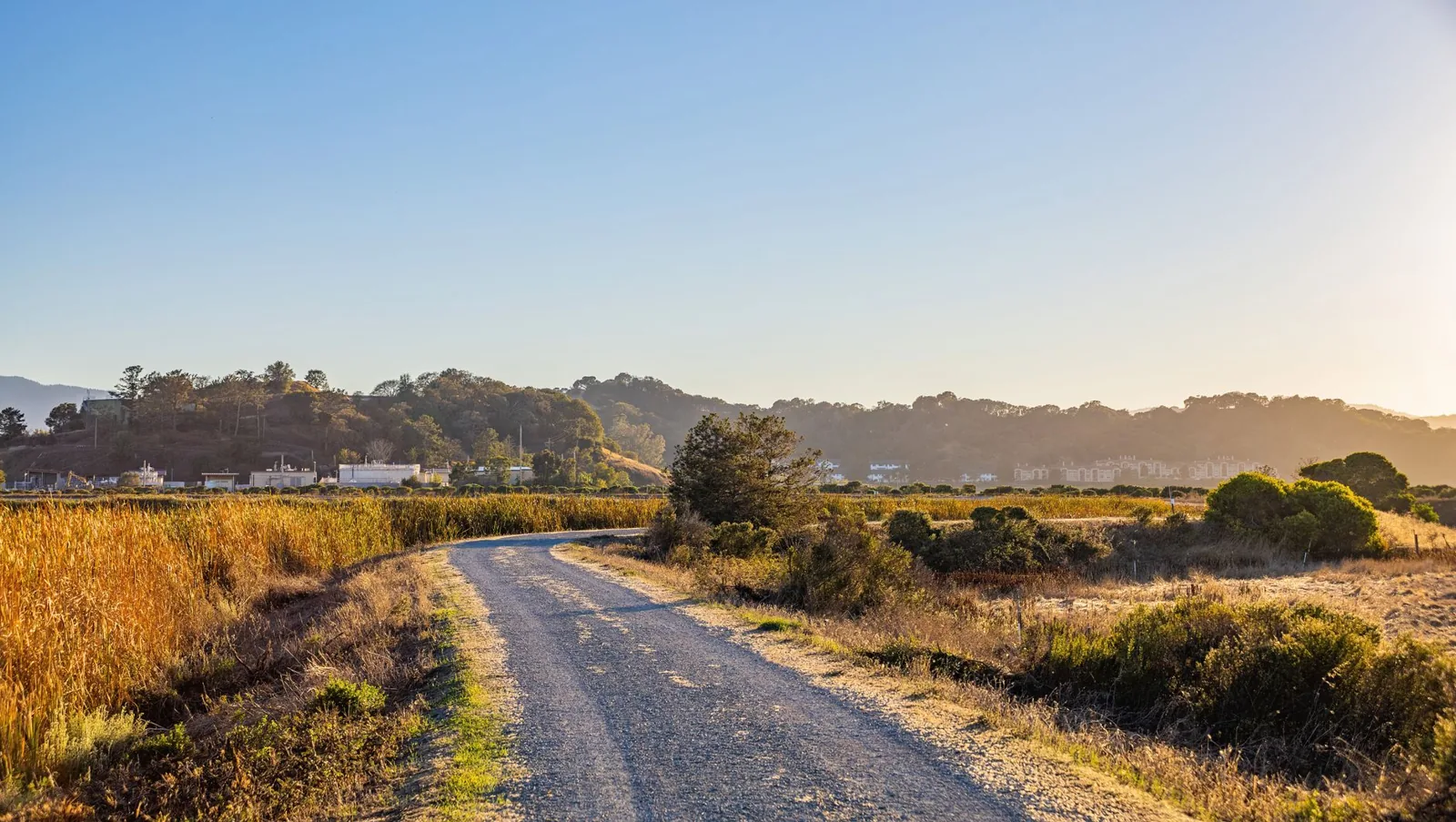
How Much Gravel for 100 ft Driveway Per Square Foot? (Cost & Coverage)
If you’re pricing out a new gravel driveway, the first question that comes up is usually some version of this: how much gravel for 100 ft driveway per square foot do you actually need? It’s a fair question, because gravel is sold by the ton or by the cubic yard, not by the square foot — and overshooting means paying to haul in material you’ll never spread, while undershooting means a second delivery charge and a half-finished driveway.
The honest, useful answer is that the amount of gravel you need depends on three things: the square footage of the driveway, the depth of the gravel bed, and the type of gravel you’re laying. Get all three right and you can order once and be done.
The Short Answer: Gravel Coverage Per Square Foot
Here’s the working math most contractors use. One cubic yard of gravel is 27 cubic feet, and it covers:
- 324 square feet at 1 inch deep
- 108 square feet at 3 inches deep
- 81 square feet at 4 inches deep
- 54 square feet at 6 inches deep
For a properly built gravel driveway, you want a total bed of 4 to 6 inches. At that depth, you need roughly:
- 0.012 to 0.019 cubic yards of gravel per square foot
- 33 to 50 pounds of gravel per square foot
- About 0.017 to 0.025 tons per square foot
In per-square-foot terms, that works out to roughly $0.30 to $0.75 per square foot for the stone itself, depending on the gravel type and your local delivery rates.
How to Calculate Gravel for a 100 ft Driveway
A 100-foot driveway is longer than most suburban driveways — figure three to four car lengths end to end. The width matters just as much as the length. Use these benchmarks:
- Single-lane (10 ft wide): 100 x 10 = 1,000 square feet
- Standard (12 ft wide): 100 x 12 = 1,200 square feet
- Double-wide (20 ft): 100 x 20 = 2,000 square feet
Once you have the square footage, plug it into the depth you want.
| Depth | Coverage per cu yd | Cu yd for 1,000 sq ft | Cu yd for 1,200 sq ft | Cu yd for 2,000 sq ft |
|---|---|---|---|---|
| 3 in | 108 sq ft | 9.3 | 11.1 | 18.5 |
| 4 in | 81 sq ft | 12.3 | 14.8 | 24.7 |
| 6 in | 54 sq ft | 18.5 | 22.2 | 37.0 |
So for a typical 100 ft by 10 ft single-lane driveway (1,000 square feet), plan on 12 to 19 cubic yards of gravel. For a 12-foot-wide driveway, bump that to 15 to 23 cubic yards.
The Two-Layer Rule
A gravel driveway that lasts is actually two different materials, not one pile of rock. The standard install splits the bed into:
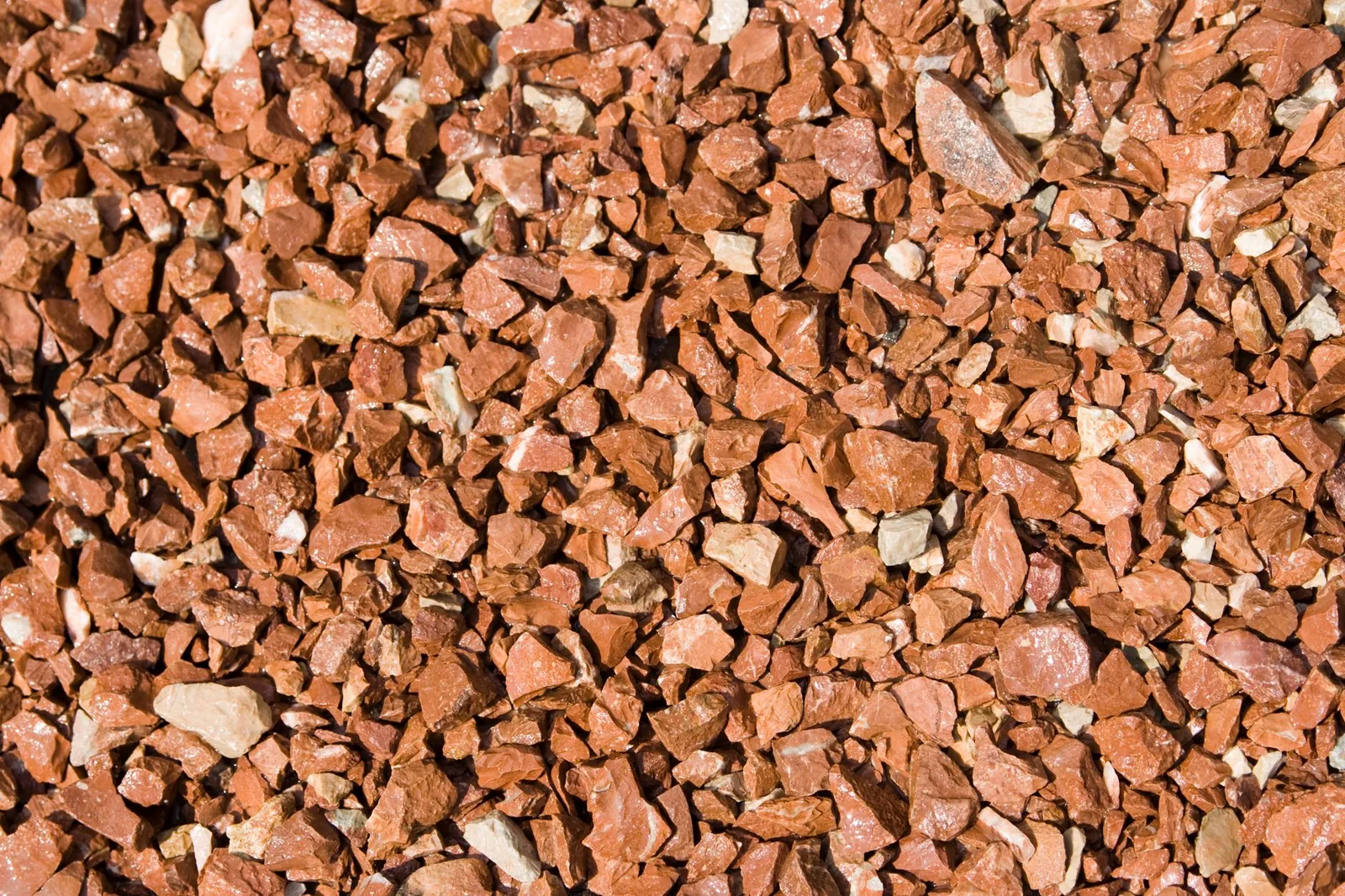
- Base layer — 4 inches of crusher run (quarry process). This is angular stone mixed with stone dust. The dust acts like mortar, locking the larger pieces together into a firm, load-bearing base.
- Surface layer — 2 to 4 inches of clean crushed stone (#57 or #8). This drains well and gives you the driveway’s finished top, but it needs the base under it to stay put.
That’s why “4 to 6 inches total” shows up everywhere — you’re really talking about a 4-inch base plus a 2-inch surface layer.
How Much Gravel for a 100 ft Driveway Per Square Foot by Layer
Breaking the same square footage down per layer makes ordering easier:
- 4-inch base layer: 0.0123 cubic yards per square foot (1,000 sq ft = 12.3 cu yd)
- 2-inch surface layer: 0.0062 cubic yards per square foot (1,000 sq ft = 6.2 cu yd)
- 4-inch surface layer: 0.0123 cubic yards per square foot (1,000 sq ft = 12.3 cu yd)
For a 1,000-square-foot, 100-foot driveway with a 4-inch base and a 2-inch top layer, order roughly 12 to 13 cubic yards of crusher run and 6 to 7 cubic yards of #57 stone — about 18 to 20 cubic yards total. Add 5% for compaction and settling, because freshly spread gravel settles noticeably within the first month.
Types of Gravel and Cost Per Square Foot
Not all gravel costs the same, and the type you choose changes both the price and how the driveway behaves.
| Gravel type | Cost per ton (delivered) | Cost per sq ft (4″) | Best for |
|---|---|---|---|
| Crusher run / quarry process | $30–$55 | $0.30–$0.55 | Base layer |
| #57 crushed stone | $35–$65 | $0.35–$0.65 | Surface layer |
| #8 / pea gravel | $45–$85 | $0.45–$0.85 | Surface, foot traffic |
| River rock | $60–$130 | $0.60–$1.30 | Decorative top layer |
Crusher run is the cheapest and does the structural heavy lifting. #57 stone is the workhorse — angular, drains well, and packs into a stable driving surface without rolling the way round pea gravel does. Pea gravel looks clean and feels soft underfoot, but its round shape means it migrates and ruts under car tires, so it’s better as a thin top dressing than a full driveway. River rock is purely decorative and the most expensive per square foot.
Total Cost to Gravel a 100 ft Driveway
Material is only part of the bill. A complete job includes the stone, delivery, any excavation, landscape fabric, edging, and labor if you hire it out.
For a 100 ft driveway around 1,000 to 1,200 square feet, expect:
- Stone alone (18–23 cu yd delivered): $280 to $1,050
- DIY full build (stone, fabric, edging, rental compactor): $1,200 to $2,500
- Professional install: $3,000 to $7,000, or roughly $2.50 to $6 per square foot
Gravel is the cheap part. Delivery fees, especially for a long driveway that needs the truck to reach the far end, can match the stone cost on small orders. Edging — steel, timber, or concrete — adds $2 to $8 per linear foot and keeps the stone from spreading into your lawn.
Steps to Install a Gravel Driveway
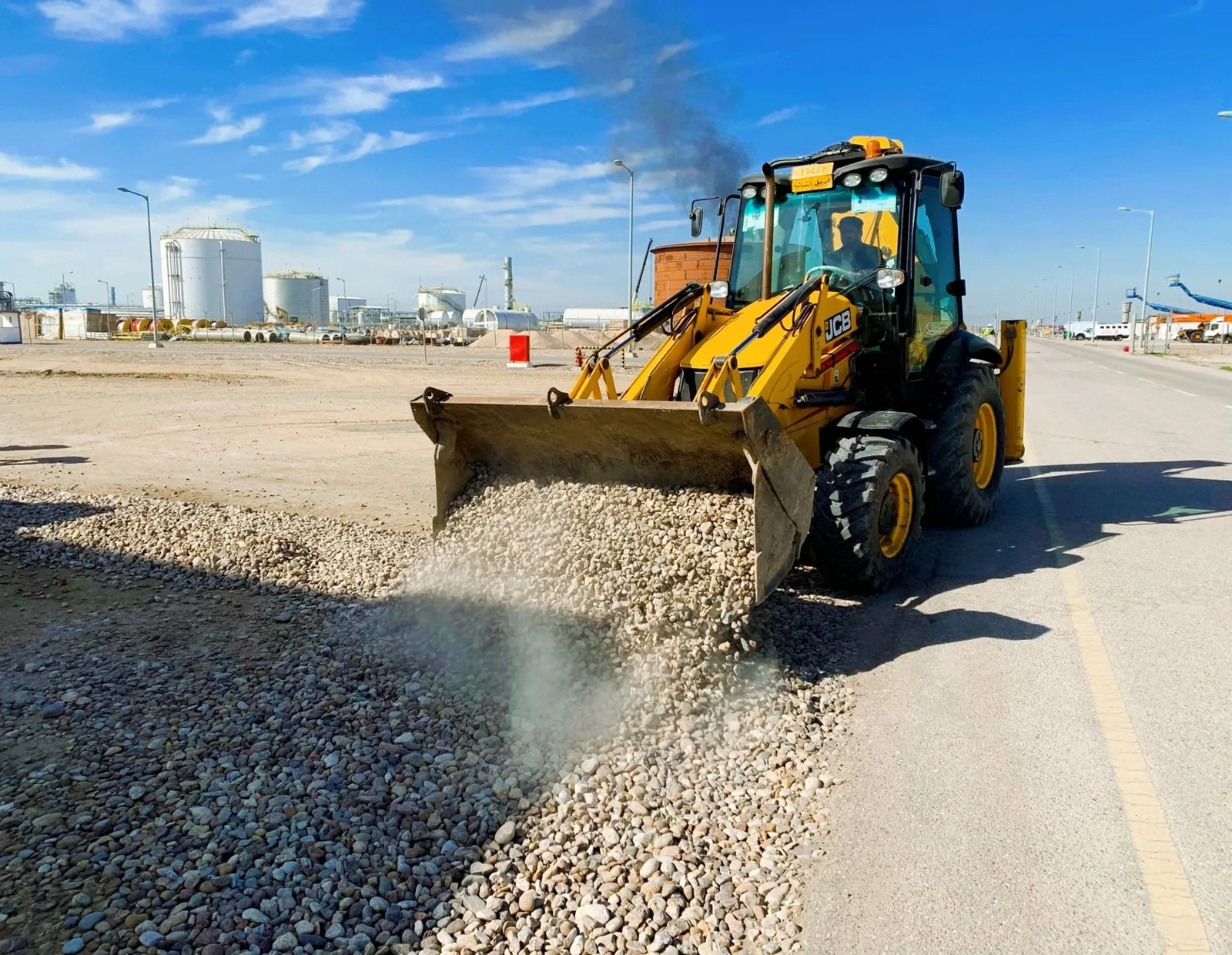
If you’re doing it yourself, the sequence matters more than the materials budget.
- Excavate 6 to 8 inches. Remove topsoil and organic material — it compacts unevenly and will make the driveway sink.
- Grade for drainage. Slope the bed 2–3% away from the house so water runs off instead of pooling.
- Lay landscape fabric. Woven geotextile stops the base rock from mixing into the subsoil and blocks weed growth.
- Spread the 4-inch crusher run base. Compact it with a plate compactor in two-inch lifts — compacting 4 inches at once is the most common DIY mistake.
- Add the 2-inch surface layer. Spread #57 stone evenly and do a final pass with the compactor.
- Install edging. Secure the sides so the surface layer doesn’t migrate into the yard over the first rains.
This list is worth checking against your full driveway replacement cost per square foot estimate, since a gravel drive is often the lowest-cost option when you’re comparing concrete vs asphalt driveway cost per square foot.
For current benchmarks and deeper how-to detail, the team at This Old House keeps regularly updated reference guides worth bookmarking.
Frequently Asked Questions
How many tons of gravel do I need for a 100 ft driveway?
For a 1,000-square-foot driveway at 6 inches total depth, you need about 18.5 cubic yards, which is roughly 25 tons (one cubic yard of gravel weighs about 2,700 pounds). At a 4-inch depth, that drops to around 16–17 tons.
Is 4 inches of gravel enough for a driveway?
Four inches is the minimum for a light residential driveway, and only if it includes a compacted crusher run base. For anything heavier than occasional passenger cars — RVs, trailers, delivery trucks — go to 6 inches or more.
How much does a ton of gravel cover in a driveway?
Delivered gravel averages one ton per 0.74 cubic yard. At a 3-inch driveway depth, a single ton covers roughly 80 to 85 square feet. Plan on about 12 to 13 tons for every 1,000 square feet at 3 inches.
How much gravel per square foot should I budget for?
Budget 33 to 50 pounds per square foot, or about $0.30 to $0.75 per square foot for material alone. Double that range for a full DIY job with fabric, edging, and delivery.
Do I need to replace gravel over time?
Yes. Gravel driveways lose material to weather, tires, and plowing, so plan to top-dress with a fresh 1-inch layer roughly every 2 to 3 years. That maintenance is part of why how much does making a driveway cost keeps gravel cheaper upfront but not necessarily over a decade.
The Bottom Line
How much gravel for 100 ft driveway per square foot comes down to a number you can hold in your head: 0.012 to 0.019 cubic yards, or 33 to 50 pounds, per square foot for a 4-to-6-inch bed. For a standard 100-foot by 10-to-12-foot driveway, that’s 12 to 23 cubic yards total — roughly 16 to 31 tons — depending on how wide you build and how deep you lay.
Get the square footage right, split the order between a crusher run base and a crushed stone surface, add 5% for settling, and you’ll order once. If you’re still deciding between materials before you buy, compare the standard concrete driveway cost to see how gravel stacks up against a paved finish for your budget.


