

How Much Does It Cost to Pave a Standard Driveway? (2026 Price Guide)
Most homeowners ask “how much does it cost to pave a standard driveway” the moment the existing surface starts to fail. The honest answer is that a standard two-car driveway (roughly 480 to 600 square feet) costs between $2,500 and $7,500 fully installed in 2026, with a national average of about $4,500. On a per-square-foot basis, that shakes out to $4 to $15 depending on the material.
Asphalt is the cheapest option at the low end, plain concrete sits in the middle, and concrete pavers or stamped concrete push you toward the top of the range. Before you sign any contract, it pays to understand exactly what that quote covers — and what it quietly leaves out. We priced materials, labor, and the add-ons that catch buyers off guard so you can compare bids on a level field.
What Does the National Average Actually Buy You?
That $4,500 average figures into a straightforward job: removing an old driveway or grading a fresh sub-base, then pouring or laying a new surface on a standard two-car footprint. In practice, the price splits roughly 50/50 between materials and labor in most markets.
A few baseline numbers to anchor your thinking:
- Plain asphalt: $3 to $6 per square foot installed
- Standard broom-finished concrete: $5 to $10 per square foot installed
- Stamped or colored concrete: $10 to $20 per square foot installed
- Concrete pavers: $12 to $25 per square foot installed
For a 500-square-foot driveway, that means roughly $2,500 for asphalt, $3,500 to $5,000 for concrete, and $6,000 or more for pavers. These are installed, turnkey prices that assume normal site access and no major excavation surprises.
The Biggest Factors Behind Driveway Paving Costs
Contractors rarely give a flat price; they quote by the job, and several variables move that number more than the material alone does.
Material Choice
This is the single largest lever. Asphalt runs cheapest up front but needs resealing every two to four years. Concrete costs more to install but lasts 25 to 30 years with almost no upkeep. Pavers cost the most per square foot and the most in labor, but individual units can be replaced if one cracks.
Driveway Size and Layout
Bigger is obviously more expensive, but shape matters too. A long, curved driveway with tight access costs more per square foot than a straight, open rectangle, because it slows the crew down and wastes more material at cuts and edges.
Site Preparation and Drainage
If your ground is clay-heavy, sloped, or prone to pooling, the contractor has to add a thicker gravel base, compact it in more passes, or regrade the slope. Removing an existing driveway — especially old concrete that needs saw-cutting and hauling — can add $1 to $3 per square foot on its own.
Slab Thickness and Reinforcement
A 4-inch slab is standard for cars, but anything expected to carry a pickup, RV, or occasional delivery truck should step up to 5 or 6 inches. Each extra inch adds roughly $1 per square foot. Reinforcing with rebar or fiber mesh costs a little more up front and is cheap insurance against the hairline cracks that eventually split a plain, unreinforced pour.
Where You Live
Labor and material prices swing widely by region. The same concrete driveway that costs $4,000 in the Midwest might run $7,000 in coastal California or the Northeast, almost entirely because of higher labor rates and stricter permit requirements.
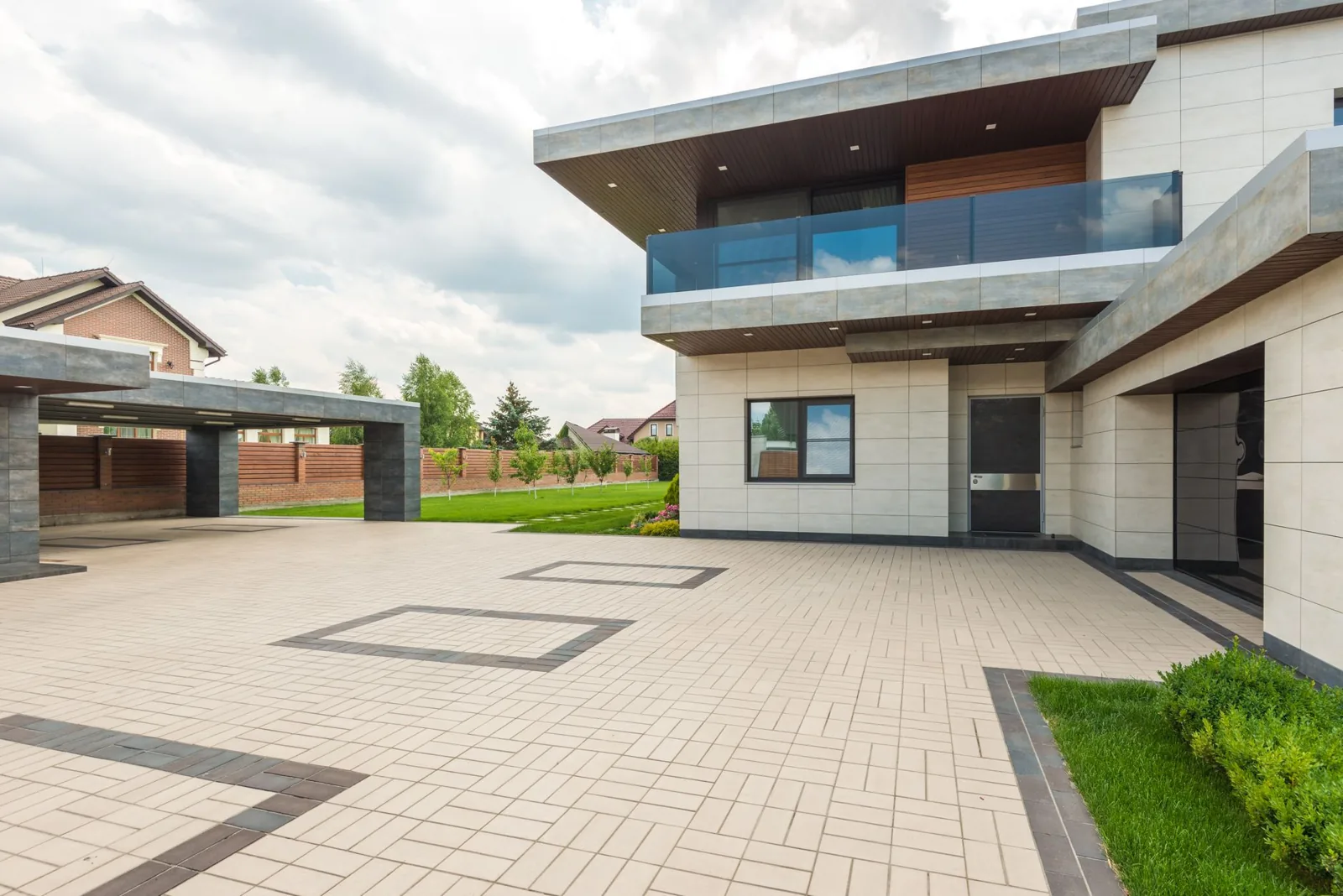
Paving Costs Compared: Asphalt vs. Concrete vs. Pavers
Because this decision shapes both your upfront bill and your long-term costs, it helps to see the three main options side by side.
| Factor | Asphalt | Concrete | Concrete Pavers |
|---|---|---|---|
| Installed cost (per sq ft) | $3–$6 | $5–$10 | $12–$25 |
| Lifespan | 15–20 years | 25–30 years | 30+ years (with repairs) |
| Annual upkeep | Reseal every 2–4 yrs | Minimal | Occasional joint sanding |
| Curb appeal | Basic | Clean, versatile | High-end, custom |
| Repairs | Patchable but shows | Hard to patch invisibly | Replace single units |
For a full breakdown of how the two most common materials compare long-term, see our guide on concrete vs. asphalt driveway cost.
Add-Ons That Quietly Inflate the Bill
The base quote is rarely the final number. Reputable contractors itemize these, but budget builders often leave them out and charge for them later.
- Excavation and hauling. Tearing out an old surface and disposing of it runs $1 to $3 per square foot, more if access is limited.
- Gravel base. A proper 4- to 6-inch compacted base adds strength and adds cost; skimping here is the fastest way to a cracked driveway in two years.
- Permits. Local permits for a new or replaced driveway typically run $100 to $500, and many municipalities require a survey for anything close to the property line.
- Drainage improvements. French drains, channel drains, or regrading to keep water off the slab can add $500 to $2,500 depending on the scale.
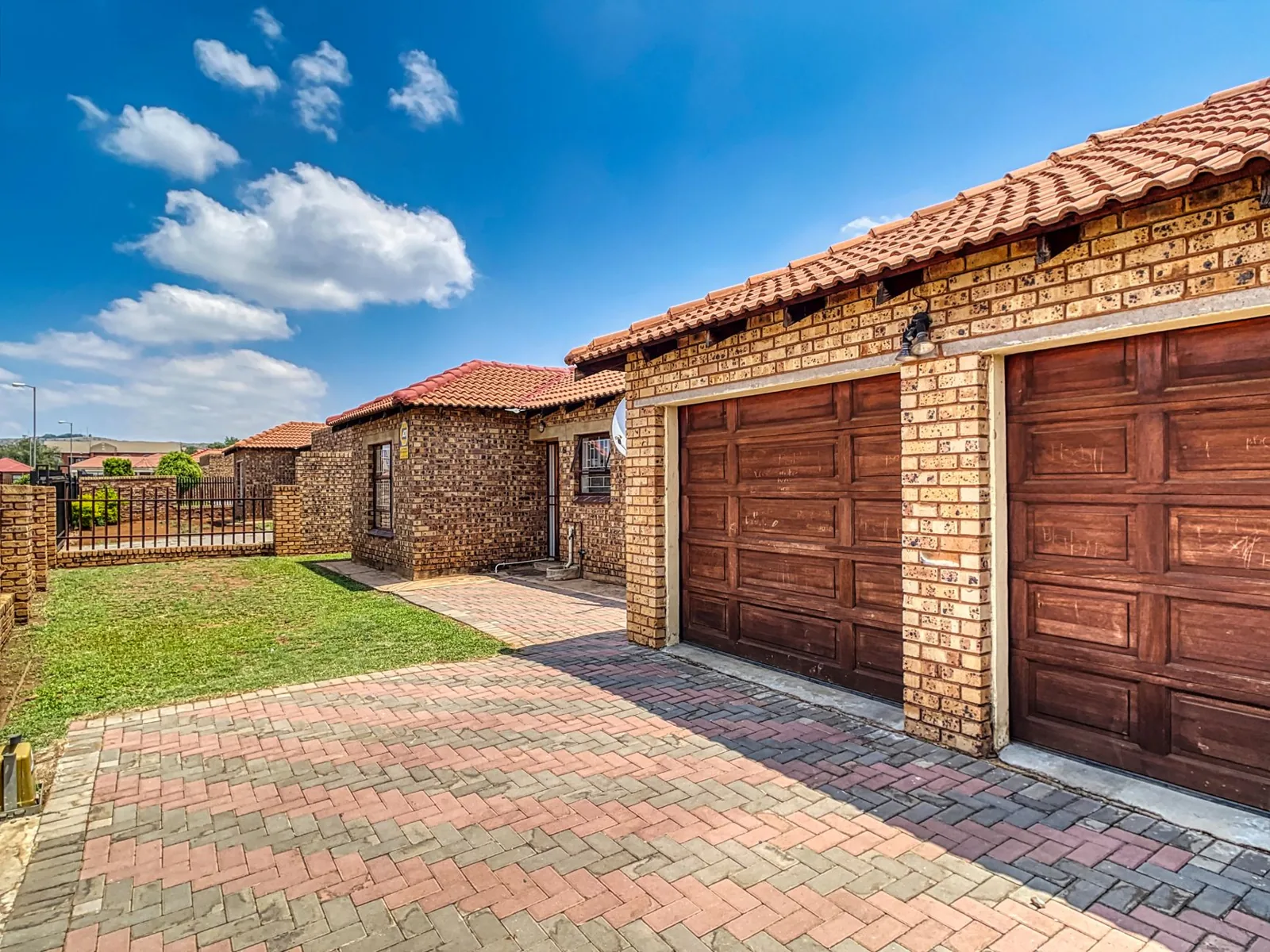
Real Numbers: What Homeowners Actually Paid
Survey data from HomeAdvisor and This Old House paints a consistent picture. Most reported driveway paving projects landed between $2,900 and $7,200, with the majority of two-car driveways clustering around $4,000 to $5,500.
Asphalt jobs skew lower and finish faster — a crew can usually pave in two days. Concrete typically takes three to five days, including curing time and the saw-cut control joints that direct cracking. Paver installations run the longest, often a full week, because every unit is laid, leveled, and filled by hand.
One timing note worth knowing before you book: fresh concrete needs about seven days of curing before it can bear vehicle weight, and asphalt should sit untouched for another one to two days after rolling. A contractor who promises same-day return to normal parking is worth asking a few more questions about.
If your existing surface only needs attention rather than full replacement, the numbers change dramatically — see our breakdown of driveway repair cost per square foot.
How to Lower the Cost Without Buying a Cheaper Job
Getting the price down is good; getting a thin, rushed job is not. These moves cut cost without cutting corners.
- Get at least three written quotes and make each itemize material, base depth, thickness, reinforcement, and disposal so you’re comparing identical jobs.
- Schedule in the off-season. Fall and early spring are slower for paving crews, and some contractors discount work they’d otherwise turn down.
- Off-load the easy work. Pulling out a gravel driveway yourself or pre-grading the site can save labor dollars — but get the contractor’s blessing first so you don’t redo it.
- Skip the upgrades on a budget. Plain broom-finished concrete and basic asphalt both age well. Color, stamping, and borders are where profit margins hide.
- Reinforce wisely. For concrete, pay for fiber mesh or rebar; for asphalt, insist on a thicker base. This is durability money, not vanity money.
For a clearer picture of the total scope of a from-scratch project, our guide to how much making a driveway costs walks through every line item from demolition to final sealcoat.
Frequently Asked Questions
How much does it cost to pave a standard driveway per square foot?
Most driveways run $4 to $15 per square foot installed. Asphalt occupies the $3-to-$6 range, plain concrete $5 to $10, and pavers or stamped concrete $12 to $25. Multiply your square footage by the material’s range to get a fast ballpark.
Is asphalt or concrete cheaper for a driveway?
Asphalt is cheaper up front, typically 30 to 40 percent less than concrete for the same footprint. Concrete wins on lifespan and maintenance, though, which is why the 15-year total cost often ends up similar. Balancing those trade-offs is exactly what our concrete vs. asphalt comparison covers.
How long does a paved driveway last?
Asphalt lasts 15 to 20 years with periodic resealing; concrete lasts 25 to 30 years; and well-installed pavers can outlast them both at 30-plus years with occasional joint maintenance and single-unit replacement.
Can I pave my driveway myself to save money?
You can, but concrete and asphalt demand fast, experienced crews — a botched pour can’t be fixed without tearing it out. DIY is most realistic for pavers or gravel, where the penalty for a mistake is small and repairable. For most homeowners, the labor is worth paying for.
Should I pour concrete or lay pavers for a higher-end look?
Pavers offer the most design flexibility and the easiest repairs, which justifies their higher cost if curb appeal is the priority. Stamped concrete mimics the look for less money but shows cracks more visibly and can’t be repaired as cleanly.
The Bottom Line
For a standard two-car driveway, plan on $2,500 to $7,500 installed, with concrete landing near $4,500 for most homes. Asphalt saves you money now; concrete and pavers save you money and headaches later. The two moves that protect your budget more than anything else are simple: get itemized quotes so you’re comparing identical work, and never let a contractor thin out the base to hit a lower number.
Whether you’re replacing a tired surface or building from scratch, knowing how much it costs to pave a standard driveway before the first bid arrives puts you in control of the conversation — and of the final check you write.


